Engineering Mars Making Interplanetary Habitats Possible
Introduction
Mars has captivated the human imagination for centuries, from the red hues visible from Earth to its depiction in science fiction. Yet, as space agencies and private enterprises make strides toward actual colonization, building habitats on Mars is no longer just a fantasy. The harsh Martian environment poses multiple challenges, necessitating innovative engineering and technology solutions. With no atmosphere as we know it, extreme temperatures, and low gravity, the task requires a mastery of various scientific disciplines. In this exploration, we'll delve into the technologies shaping the future of interplanetary living, bridging the gulf between Earth and Mars.
Advertisement
Architectural Innovations
From inflatable living quarters to 3D printed structures, architectural ingenuity is pivotal in crafting sustainable habitats on Mars. These designs prioritize protection from radiation, temperature fluctuations, and potential meteorite impacts. NASA has initiated competitions to develop innovative habitats, resulting in concepts like 'Ice Home,' which uses water ice for insulation. Moreover, 3D printing technologies can utilize Martian soil to build habitats, reducing the need for transporting materials from Earth. It signals the emergence of a new era of construction that adapts to extraterrestrial terrains.
Advertisement
Life Support Systems
Ensuring that life can not only survive but thrive on Mars involves comprehensive life support systems. These systems must sustainably supply oxygen, water, and food, creating an Earth-like environment within the confines of hermetically sealed habitats. Researchers are developing closed-loop life support systems that recycle water and air, and cultivate plants to produce food and oxygen. The challenge lies in minimization, cost-effectiveness, and long-term reliability to sustain a growing colony on the Martian surface.
Advertisement
Power Generation and Sustainability
Power generation is a cornerstone of Martian colonization, with solar energy taking center stage. Given Mars' distance from the Sun, solar arrays must be efficient and, often, supplemented by nuclear energy. Radioisotope Thermoelectric Generators (RTGs), used in many of NASA's spacecraft, provide dependable power. However, developing technologies for harnessing wind and converting Martian resources into energy sources remains a focal point for increasing self-sufficiency and reducing dependency on Earth-based resupply missions.
Advertisement
Transportation and Mobility
Transport on Mars isn't merely about moving between habitats or research stations. It's about the efficient exploration and use of local resources. Engineers envision rovers for transportation and cargo, equipped to handle the rugged Martian terrain. Advanced propulsion technologies, like the theoretical Mars Ascent Vehicle, will facilitate journeys between Mars and its orbit. Coupled with autonomous navigation, these technologies ensure the seamless mobility essential for exploration and migration across the Martian surface.
Advertisement
Robotic Assistance and AI
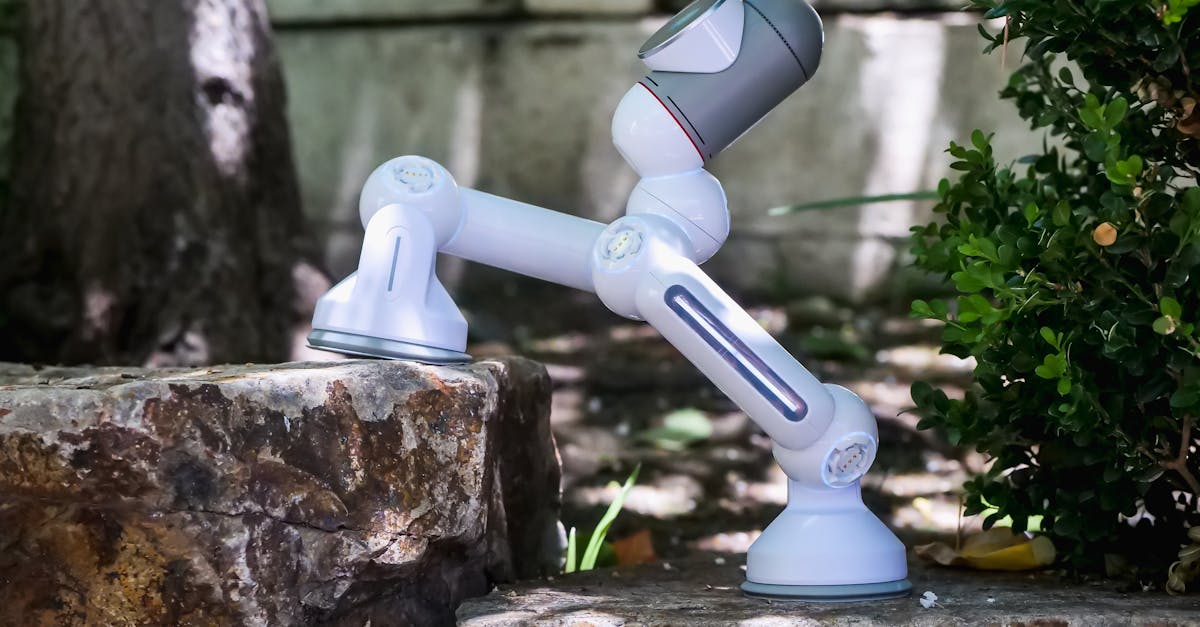
Robots and AI play a vital role in the success of colonizing Mars, performing tasks that would be cumbersome or hazardous for humans. Autonomous robots can construct habitats, mine resources, and maintain systems with minimal human intervention. Meanwhile, AI can help solve the complexities of Martian weather forecasting, resource management, and emergency response. These technologies free astronauts to focus on scientific research and exploration, maximizing the productivity of missions on Mars.
Advertisement
Health and Wellbeing
Adapting to Martian life involves ensuring the physical and psychological well-being of residents. Artificial gravity, achieved through rotating habitats or advanced exercise regimens, counters the health impacts of prolonged low-gravity exposure. Biomedical research aims to understand and mitigate effects such as muscle atrophy and radiation exposure. Meanwhile, ensuring mental health support fosters a sense of community and purpose, combating isolation in the stark Martian landscape.
Advertisement
Communications Technology
Interplanetary communication is challenged by the vast distance between Earth and Mars, resulting in delay and signal interference. To bridge this gap, engineers are developing advanced communication networks, satellites, and relays. With potential delays of up to 24 minutes, ensuring real-time communication for emergencies and daily operations is critical. As technology progresses, a robust and reliable infrastructure will underpin the success of any long-term Martian settlement, facilitating constant connectivity with Earth.
Advertisement
The Role of International Collaboration
The journey to Mars is an enterprise too large for any single nation or corporation. It requires a coalition of expertise, resources, and funding. From the European Space Agency to private companies, international partnerships amplify innovation while spreading risks and benefits. Just as with the International Space Station, a unified effort ensures the pooling of technology and knowledge, paving the way for a global step forward in interplanetary habitation.
Advertisement
Conclusion
The prospect of colonizing Mars is a testament to human curiosity and resilience, a step that could redefine our identity as a species. The technologies explored here not only bridge the gap between Earth and Mars but lay the groundwork for exploration of other celestial bodies. As these advancements coalesce, the dream of becoming an interplanetary species is closer to realization than ever before. While challenges remain, the fusion of science, engineering, and international collaboration makes an inhabited Mars an inevitable chapter in human history. This pioneering spirit mirrors our history of exploration, now unfolding across the cosmos.
Advertisement