Self Healing Concrete A Game Changer for Urban Development
Introduction
In the realm of civil engineering, innovation drives the future of urban development, and self-healing concrete has emerged as a groundbreaking advancement. As cities continue to expand and infrastructure ages, the need for sustainable and resilient building materials grows ever more pressing. Self-healing concrete offers a revolutionary approach to addressing the significant challenge of concrete deterioration, which threatens the longevity of structures and demands costly repairs. This cutting-edge material holds promise not only for economic savings but also for sustainability and environmental impact reduction. As we delve deeper into the workings and implications of self-healing concrete, it becomes clear this innovation has the potential to reshape modern cities.
Advertisement
The Basics of Concrete Deterioration
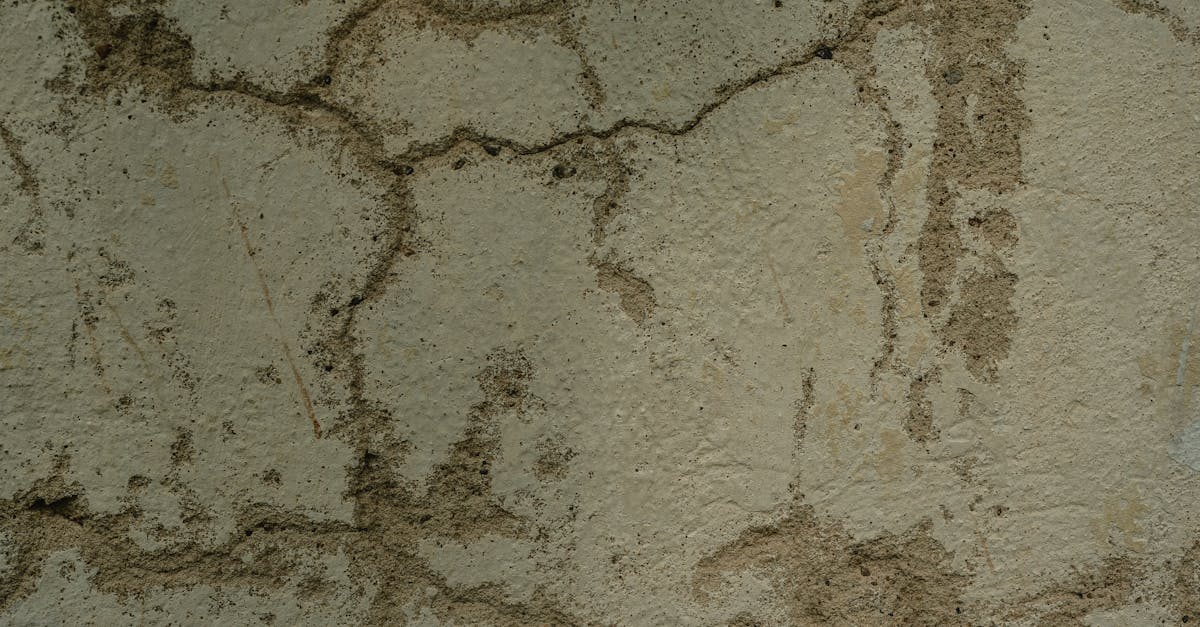
Traditional concrete, while durable, is susceptible to cracks from factors like load stress, temperature shifts, and chemical attacks. Cracking is often inevitable and may lead to the accelerated decay of infrastructure through the infiltration of water and chemicals, which exacerbate corrosion in steel reinforcements. Over time, these issues necessitate significant repair or replacement projects, causing economic strain and environmental waste. Understanding the weaknesses of conventional materials is essential for appreciating the profound impact that self-healing concrete can have on the future of urban infrastructure.
Marina Leonova/Pexels
Advertisement
How Self-Healing Concrete Works
Self-healing concrete contains innovative additives that enable it to repair minor cracks autonomously, potentially extending the material's lifespan. Two principal mechanisms facilitate self-healing: bacteria-based and microcapsule-based systems. The bacteria-based method involves embedding specific bacteria into the concrete mix that, upon contact with water infiltrating through cracks, produce calcium carbonate—a natural filling material. Microcapsule systems, on the other hand, incorporate healing agents in capsules dispersed throughout the concrete mix. When cracks form, these capsules break and release their contents, which then react to seal the gaps. These technologies represent a convergence of biology, chemistry, and materials science, working together to enhance the resilience of urban infrastructure.
Advertisement
Benefits and Applications
The potential benefits of self-healing concrete are substantial. *Reduced Maintenance Costs*: With an innate capacity to repair damage, maintenance expenses can significantly decrease. *Increased Durability*: Extending the lifespan of concrete structures translates into fewer replacements and less environmental waste. *Versatility*: Self-healing concrete is applicable to a variety of projects, including roads, bridges, and buildings, making it a flexible solution for many civil engineering problems. As cities evolve to address climate change and population growth, this technology stands at the forefront of sustainable urban development.
Advertisement
Environmental Impact and Sustainability
In addition to its economic benefits, self-healing concrete supports environmental sustainability by decreasing the need for frequent repairs and replacements. By reducing the consumption of new materials and lowering carbon emissions associated with production processes, self-healing concrete contributes to greener cities. Additionally, the use of bacteria—a natural solution—aligns with global efforts to employ environmentally friendly technologies. While traditional concrete production is resource-intensive and linked to significant CO2 emissions, technological advancements like this offer tangible pathways towards reducing environmental impacts.
Advertisement
Challenges and Limitations
Despite its potential, self-healing concrete is not without challenges. *Cost Considerations*: The initial expense of embedding self-healing capabilities can be higher than traditional concrete, though it may be offset by long-term savings. *Performance Confidence*: Engineers must assess the performance and reliability of self-healing techniques over extended periods and under diverse conditions. *Technological Complexity*: Integrating biological and chemical systems in construction materials requires managing a level of complexity not present in conventional concrete. Overcoming these obstacles is essential for the widespread adoption and success of self-healing concrete.
Advertisement
Real World Examples
While still emerging, several real-world applications of self-healing concrete demonstrate its viability. Projects in the Netherlands have incorporated bacteria-based systems into water-retaining structures, while researchers in the UK have tested microcapsule solutions in pedestrian footbridges. These cases underscore its practical potential, although further studies and pilot programs are necessary to expand its application to larger and more diverse construction projects. Early adopters pave the way for broader implementation, showcasing its effectiveness and providing invaluable insights into future improvements.
Advertisement
Research and Development
The field of self-healing concrete is brimming with ongoing research and innovations. Scientists and engineers continue to refine and test new formulations, aiming to enhance healing capabilities while reducing costs. Collaborative efforts among scientists, construction firms, and government entities are crucial for advancing this promising technology. Research initiatives seek to explore hybrid solutions that combine multiple healing mechanisms, expanding our understanding of how best to implement these systems in various environments. The progression of this research heralds an exciting era in construction ingenuity.
Advertisement
Future Prospects
As interest grows, the potential for self-healing concrete to reimagine cityscapes becomes increasingly feasible. Urban planners and policymakers will likely consider its applications in resolving infrastructure problems and promoting sustainable growth. Estates built with self-healing materials may become standard in modern eco-friendly architecture, enhancing the resilience of cities against climate-change-induced challenges. With further research and technological improvements, self-healing concrete is poised to revolutionize civil engineering, making long-lasting infrastructures not just a possibility, but a probability.
Advertisement
Conclusion
In summary, self-healing concrete represents an exciting and impactful development in civil engineering, poised to reshape the urban environment. By offering a sustainable solution to the persistent issue of concrete deterioration, it promises economic, environmental, and structural advantages. Despite challenges, the technology is moving steadily closer to widespread adoption. As advancements continue, self-healing concrete offers a glimpse into a future where cities can grow and maintain their infrastructure with minimal costs and environmental ramifications. This innovation is not only a step forward for civil engineering—it is a step forward for our cities and planet.
Advertisement