The Science Of Supersonic Flight Reimagining The Boom Barrier
Introduction
Flying faster than the speed of sound, or supersonically, has long been an aero engineer's dream. From the days of the Concorde to today's innovations, supersonic flight captivates attention. In recent years, interest has resurfaced with engineers tackling the barriers that limited past success. One of the most significant barriers is the infamous sonic boom, a phenomenon that creates loud explosive sounds. This boom posed challenges, limiting commercial viability due to noise pollution concerns. However, with modern technology, a new era of quieter, efficient supersonic flight is on the horizon.
Advertisement
Understanding Supersonic Flight
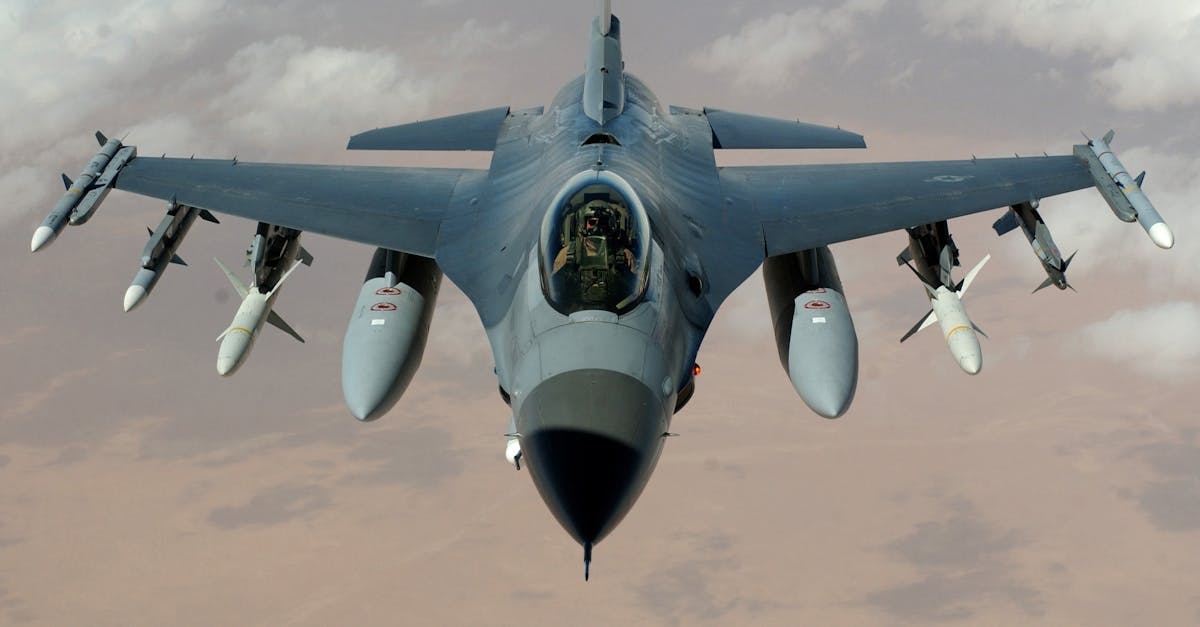
Supersonic flight is achieved when an aircraft travels faster than the speed of sound, approximately 767 miles per hour at sea level. The speed is measured in Mach numbers, where Mach 1 is the speed of sound. Reaching this speed presents unique challenges, such as increased air resistance and heat. As an aircraft surpasses Mach 1, shockwaves are created, resulting in a sonic boom heard on the ground. The Concorde, operational from 1976 to 2003, showcased supersonic travel but was limited by noise constraints and inefficient fuel consumption.
Pixabay/Pexels
Advertisement
The Sonic Boom Challenge
The sonic boom is uneven air pressure that planes create, likened to a ship's wake in water, but severe and loud. Communities under flight paths reported window-rattling booms as disruptive. Traditional supersonic flights' loud booms contributed significantly to operational restrictions, mainly flying over oceans. Engineers aim to redesign aircraft to minimize or eliminate this boom's noise impact, spurred by increasing public concern over urban noise pollution. The solution lays the framework for reshaping supersonic journeys over land.
Advertisement
Shaping the Future with Low-Boom Design
Engineers are exploring the use of carefully designed aircraft shapes to mitigate sonic booms. Modifying the plane's nose, wings, and overall structure could change shockwave patterns, resulting in quieter noise levels. These low-boom designs are fundamental in achieving supersonic overland travel. Lockheed Martin, in collaboration with NASA, is advancing the X-59 QueSST, designed to produce a sound no louder than a car door closing at Mach 1.4. This breakthrough would redefine public perception of supersonic flight, making it more acceptable globally.
Advertisement
Innovative Technologies in the Works
Vital technological advancements support building the next generation of supersonic aircraft. Advanced materials are being integrated to withstand the high heat and pressure of supersonic speeds while ensuring lightweight efficiency. Aerodynamic innovation includes improving air intake and managing airflow to lessen drag and noise production. Enhanced engine power and eco-friendly solutions focus on reducing fuel consumption and emissions, addressing two of the major concerns associated with commercial air travel today.
Advertisement
Environmental Impact Concerns
Reducing the environmental impact of supersonic flights is crucial for sustainable air travel. Supersonic jets historically required significant fuel consumption, leading to high CO2 emissions. With climate change considerations becoming central, there's a push for greener alternatives in fuel and engine designs. Hydrogen fuel and biofuels are prime candidates for powering future models. By leveraging sustainable energy sources and engineering efficiency, these efforts aim to make high-speed aviation compatible with environmental goals.
Advertisement
Economic Feasibility of Supersonic Travel
The cost of developing and operating supersonic aircraft has been a major hurdle. Innovations in material science, coupled with better manufacturing techniques, anticipate lowering these costs. Investment from aerospace giants and startups reflects a burgeoning commercial interest. Airlines envision larger target markets and improved business viability by reducing travel times. Subsidized research and potential regulation easing around noise pollution make the dream closer to a financially viable reality. This shift signals an optimistic market for supersonic travel's resurgence.
Advertisement
Safety Considerations
Ensuring safety at ultra-high speeds involves rigorous testing and technological fine-tuning. Emergency protocols and enhanced structural durability are key aspects under examination. Engineers prioritize redundancy systems to handle spontaneous equipment failures mid-flight. Modern simulation tools and wind tunnels assist in random anomaly mitigation and flight route planning. Regulations necessitate robust certification processes to ensure public safety before commercial deployment. With these measures, passenger confidence is set to soar alongside the developing technology.
Advertisement
Pioneering Companies and Partnerships
Several companies are at the forefront of the supersonic revolution. Boom Supersonic, Aerion, and Spike Aerospace are notable companies pioneering low-boom jets. Nations and private companies are forming strategic partnerships for research funding and expertise sharing. NASA's tie-ups highlight the symbiotic goal of scientific advancement and commercial application. Collaborative approaches are central in navigating the regulatory landscape and securing supersonic flight's place in the mainstream. The worldwide race to engineer safer, efficient planes fuels continuous innovation.
Advertisement
Conclusion
Supersonic flight promises a transformational shift in modern aviation, with engineers rekindling this dream with newfound vigor. Overcoming the sonic boom challenge through innovative designs and eco-consciousness spearheads these efforts. Current advancements foretell a future where supersonic air travel is fast, safe, and environmentally responsible. As sonic boom concerns are gradually diminished, passenger expectations align with quicker global access. Emerging technologies and meticulous research bring us ever closer to routine supersonic travel, reshaping the aviation landscape.
Advertisement